Built for operators.
By one.
Practical management tools for owner-operators who are serious about growing without losing control — built from four decades of doing exactly that.
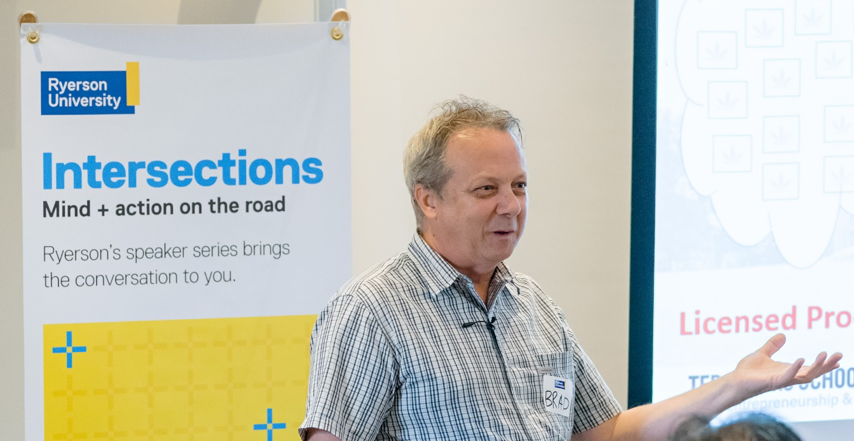
Speaking on small business operations and growth strategy
The story
Four decades in the trenches
of real business.
Most small business owners are smart, experienced, and genuinely good at what they do. The problem isn't talent. It's structure.
Brad Poulos has seen this pattern repeat itself more times than he can count — after four decades working in, building, and advising businesses across industries. The owner whose day is run by their inbox. The leadership team that built a plan in January and forgot about it by March. The operator who is deeply capable but perpetually reactive — putting out fires instead of running the business.
It doesn't have to work that way.
Brad has been on both sides of the table. He scaled his own startup to #8 on Canada's Profit 100 and took the company public. He has advised and mentored dozens of businesses across industries ranging from telecom and software to cannabis and professional services.
For the past two decades he has taught entrepreneurship and small business management at Toronto Metropolitan University, working with thousands of students and business owners. He has written three books on small business management.
What he kept seeing — in the classroom, in the boardroom, and in the field — was a gap. Plenty of frameworks exist for startups chasing venture capital, or corporations managing divisions. Very little exists for the established owner-operator running a real business, trying to grow it without losing their mind in the process.
The Operator's Cadence exists to close that gap.
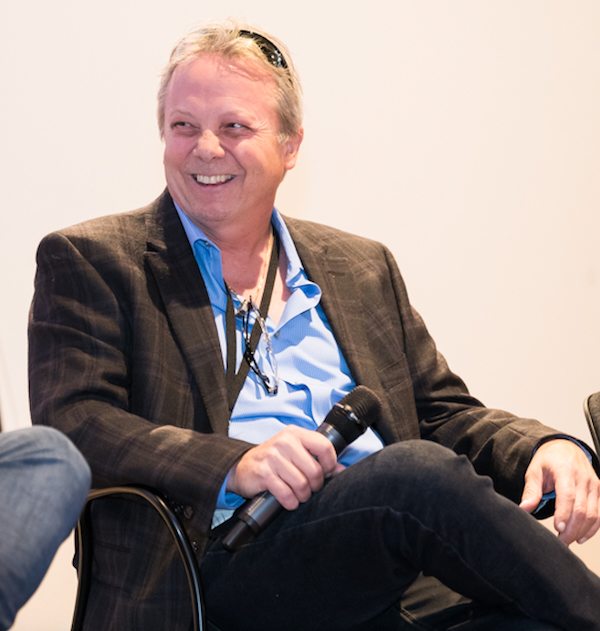
On the panel at a trade conference
The philosophy
If you want to run a bigger business,
start running your current one like it already is.
Discipline, structure, and a clear cadence of planning and execution aren't luxuries reserved for large companies. They're the exact things that determine whether a good business becomes a great one — or stays stuck.
The operators who run with confidence aren't smarter or more experienced than the ones who feel perpetually behind. They have a system — a consistent rhythm for how they think about the business, plan the year, run the quarter, and hold their team accountable week in and week out.
That system is learnable. It's buildable. And it doesn't require a consultant, a new hire, or a reorganization to put in place. It requires structure, discipline, and the willingness to step back from the noise long enough to run the business instead of being run by it.
Where to start
The Operator's Cadence — eleven integrated templates.
A complete annual, quarterly, and monthly planning system — from long-term vision down to this week's priorities. Each template includes an instructional video and a written guide. Self-guided, no consultant required.
* Facilitation available if you need help. Contact us for more information.